
Capsule Elevator Sizes & Dimensions: Design & Installation
You’ve decided on a capsule elevator for your building’s atrium. The architect draws a stunning glass cylinder on the plans. Three months into construction, the elevator supplier tells you the shaft is 150mm too narrow, the pit is 100mm too shallow, and the overhead clearance won’t accommodate the machine setup you wanted. Fixing it means breaking finished walls, deepening foundations, and pushing your timeline back by eight weeks.
This happens because most buyers and architects treat capsule elevator sizing as a design decision—choosing cabin shape and glass finishes first, then assuming the technical requirements will adapt. The reality works backwards: shaft dimensions, pit depth, and overhead clearance dictate which cabin sizes and drive systems you can use. Get those foundation measurements wrong, and no amount of premium glazing fixes the mismatch.l
This guide walks through standard capsule elevator sizes, explains how shaft dimensions control every other choice, and shows the installation sequence that prevents costly rework. You’ll learn which capacity range suits your building type, what “shaft-dependent sizing” actually means, and which pre-installation checks catch problems while they’re still fixable on paper.
What makes capsule elevators different
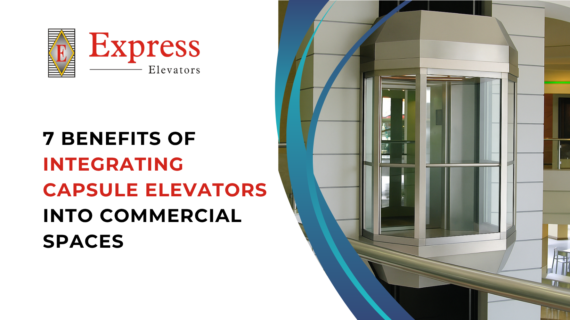
Capsule elevators feature transparent or semi-transparent cabins—typically glass walls with stainless steel framing—installed in prominent locations where visibility matters: exterior building façades, indoor atriums, hotel lobbies, or shopping center central spaces. They serve the same vertical transport function as standard elevators but prioritize aesthetics and passenger experience through panoramic views.
The transparent cabin creates unique structural requirements. Most capsule elevators need external shaft support on 2-3 sides depending on location—full support for exterior installations, partial support for atrium placements. This affects both civil work and total project costs compared to fully enclosed shafts.
Typical applications include residential high-rises (where premium units pay for aesthetic value), commercial buildings (where lobby presence influences tenant perception), hotels and resorts (where guest experience justifies higher costs), and mixed-use developments where architectural distinctiveness drives property values.

Standard cabin sizes and capacity ranges
Capsule elevator cabins follow passenger capacity bands similar to standard elevators, but physical dimensions often run slightly larger to maintain comfortable interior space despite the visual impact of transparent walls.
Common size categories:
- 4-6 passengers: 1000-1200mm width × 1000-1300mm depth, 320-450 kg capacity. Suits residential buildings and small commercial applications.
- 8-10 passengers: 1400-1600mm width × 1400-1600mm depth, 544-680 kg capacity. Standard for mid-rise commercial and hospitality projects.
- 11-13 passengers: 1800-2100mm width × 1600-1800mm depth, 870-1000 kg capacity. Used in high-traffic commercial buildings and large hotels.
The uncomfortable truth: many projects select capacity based on peer buildings or “what looks proportional,” not on actual traffic calculations. A 10-passenger capsule in a 60-unit residential building creates wait times during rush hours that defeat the premium aesthetic you paid for.
How shaft size controls everything
Here’s the contrarian insight most buyers miss: you don’t specify cabin size and then build a shaft to fit it. You measure available shaft space first, then determine which cabin sizes that space can accommodate.
Shaft internal dimensions must exceed cabin dimensions by 200-300mm on all sides to allow for guide rails, clearances, and safety margins. A 1400mm × 1400mm cabin needs a minimum 1800mm × 1800mm shaft—and that’s before accounting for wall thickness.
Wall construction adds another layer. RCC shafts typically use 150-200mm walls; brick construction uses 230mm walls. For exterior installations, structural requirements may push wall thickness to 250-300mm depending on height and wind load.
This creates cascading constraints: available floor space determines maximum shaft size, shaft size limits cabin size, cabin size caps passenger capacity. Work backwards from the end to avoid mismatches.
Pit and overhead requirements
Pit depth varies by drive system and capacity:
- Hydraulic systems: 1200-1500mm pits to accommodate cylinders
- Traction systems: 1000-1400mm for standard installations
- MRL traction: 900-1200mm with compact designs
Overhead clearance needs 3500-4500mm depending on whether you use a separate machine room or MRL configuration. Buildings with limited top-floor clearance or decorative ceiling features often discover overhead constraints too late in design.
Door dimensions and placement
Door opening width directly impacts passenger flow during peak periods. Standard openings:
- 800mm width: minimum for accessibility, suitable for low-traffic residential
- 900-1000mm width: standard for moderate traffic commercial buildings
- 1100-1200mm width: required for high-traffic applications and stretcher access
Center-opening doors move 20-30% more passengers per hour than single-slide doors of the same width because they halve the door travel distance. For capsule elevators in high-traffic locations, this matters more than it does for enclosed cabins where aesthetic impact is minimal.
Door placement depends on architectural layout. Front-entry works for most applications; opposite-entry (front and rear doors) suits through-lobbies; corner or side entry becomes necessary when shaft placement limits front access.
Design elements that affect sizing
Glass type impacts both weight and cost. Standard options include 10-12mm tempered glass (most common), laminated safety glass (required in some jurisdictions), or tinted/reflective coatings that reduce heat gain for exterior installations. Thicker glass adds 80-150 kg to cabin weight, which can push you into a higher capacity drive system even if passenger count stays the same.
Cabin shape varies: cylindrical (360-degree visibility, most space-efficient), semi-cylindrical (suitable for wall-backed installations), rectangular with rounded corners (easier fabrication, better space utilization), or custom geometries for architectural requirements.
Interior finishes—flooring material, ceiling lights, wall panels—seem minor but they collectively add 50-100 kg that must stay within rated capacity. Overspecifying premium materials can force you to reduce passenger capacity or upgrade to a larger drive system.

Drive systems and machine placement
Traction systems suit most capsule elevator applications: quieter operation, better energy efficiency, and higher speeds (1.0-2.5 m/s) for buildings over four floors. Machine-room-less (MRL) configurations mount the drive in the shaft, saving rooftop space but requiring more overhead clearance and creating accessibility challenges for maintenance.
Hydraulic capsule elevators work for 2-4 floor installations where moderate speed (0.5-1.0 m/s) is acceptable. They need deeper pits but less overhead clearance. The visible hydraulic cylinder can compromise aesthetics in fully transparent designs.
Speed selection ties to building height and traffic expectations. A 1.0 m/s system serves 4-6 floors adequately. Buildings over 8 floors need 1.5 m/s or faster to prevent wait-time complaints.
Installation sequence and site requirements
Installation follows this order once shaft construction completes:
- Guide rail installation and precision alignment (tolerances under 2mm over full height)
- Machine or drive mounting (MRL in shaft, separate machine room on roof)
- Electrical wiring, control panels, and emergency systems
- Door frames and operators at each landing
- Cabin frame assembly and guide shoe attachment
- Glass panel installation and sealing
- Interior finishing and lighting
- Safety testing and commissioning runs
Exterior capsule elevators add weatherproofing steps: shaft sealing, drainage systems, and protective barriers during monsoon seasons. Many projects underestimate weather protection requirements and face water ingress issues during the first rainy season.l
Pre-installation checks prevent most problems: verify shaft dimensions match approved drawings, confirm pit is dry and level, test electrical supply capacity and voltage stability, and ensure all landing door openings align vertically within 5mm.
Sizing checklist for your project
Use these steps to pin down the right size:
- Measure available space and calculate maximum shaft dimensions accounting for structural walls
- Subtract 400-600mm from shaft dimensions to determine maximum cabin size
- Match cabin size to capacity requirements based on building traffic analysis
- Verify pit depth and overhead clearance support your chosen drive system
- Confirm door width and placement suit architectural layout and accessibility codes
- Check that total cabin weight (structure + finishes + passengers) stays within drive system capacity
The contrarian move: start with shaft constraints, not aspirational cabin designs. Buildings succeed when specifications match reality, not when reality gets forced to match specifications.
FAQs
Q: What’s the minimum shaft size for a capsule elevator?
A: A 4-passenger (320 kg) capsule typically needs a minimum 1600mm × 1600mm internal shaft dimension, which becomes approximately 2000mm × 2000mm including wall thickness. Smaller configurations exist but they sacrifice passenger comfort and limit capacity to 2-3 people.
Q: Can capsule elevators be installed outdoors?
A: Yes, exterior installation is common for capsule elevators, but it requires weatherproof shaft construction, sealed guide rails, temperature-rated components, drainage systems, and often higher structural standards for wind loads. These additions typically increase project costs by 15-25%.l
Q: Do capsule elevators cost more than standard elevators?
A: Equipment costs run 30-50% higher due to glass panels, specialized framing, and aesthetic detailing. Installation costs can be similar or higher depending on site access and exterior placement. However, architectural and branding value often justifies the premium in high-end residential and commercial projects.
Q: How do I know which drive system suits my capsule elevator?
A: Traction systems work for most applications: quieter, faster, and more energy-efficient for buildings over 4 floors. Hydraulic suits low-rise (2-4 floors) where initial cost matters more than long-term energy use and where moderate speed is acceptable. MRL traction fits tight overhead constraints but costs 10-20% more.
Q: What maintenance do capsule elevators need?
A: Standard elevator maintenance applies: monthly or quarterly inspections covering doors, controls, drive system, and safety devices. Glass panels need quarterly cleaning (more often in dusty or coastal locations), exterior seals require annual inspection for weather resistance, and drainage systems need periodic clearing.

Conclusion
Capsule elevator sizing starts with shaft dimensions, not aesthetic preferences. Measure your available space, calculate what fits after accounting for walls and clearances, then select cabin size, capacity, and drive system that work within those boundaries. Projects that follow this sequence avoid expensive corrections later.
If you’re planning a capsule elevator, request a site survey with shaft dimension verification before finalizing cabin specifications or design details.
Express Elevators designs and installs capsule elevators across India with complete technical planning from shaft assessment through handover. Our process begins with site measurement and structural verification, ensuring that cabin dimensions, drive selection, and architectural vision align with what your building can actually accommodate.
We supply traction and hydraulic capsule elevator systems in standard and custom configurations, handle complete installation including glass panel fabrication and weatherproofing for exterior placements, and provide AMC coverage through employed technicians familiar with capsule elevator maintenance requirements.
Contact us for a site evaluation and dimension-based proposal. Share your building plans, desired location (interior or exterior), and capacity requirements, and we’ll map out which capsule elevator configurations fit your space—including shaft modifications if needed and realistic timelines for completion.