Lift Capsule
Seeing a glass elevator ascend a hotel atrium, you’d likely see it as a stylish lift. However, planning a renovation and requesting that glass elevator six months later could result in varied proposals for panoramic, observation, or capsule lifts, each with different requirements and costs.
The term “lift capsule” gets used loosely across the Indian elevator market, creating confusion about what you’re actually buying. Technically, a lift capsule refers to a panoramic elevator with transparent walls (usually glass) designed to offer 360-degree or near-360-degree views while transporting passengers. These systems combine standard elevator mechanics with architectural transparency, turning vertical transport into a visible design element.
This guide defines what lift capsules are, explains how they work, breaks down types and specifications, and shows where they make practical sense beyond just looking impressive. You’ll learn what separates lift capsules from standard elevators, which capacity and speed ranges suit different buildings, and what installation actually involves.
What defines a lift capsule
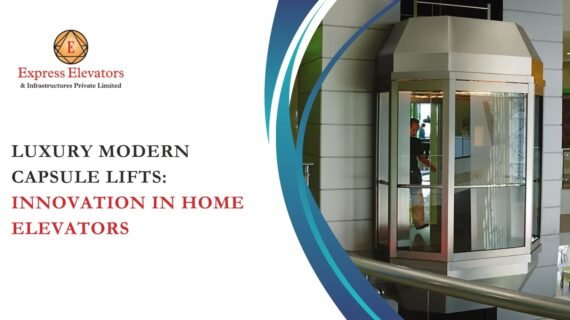
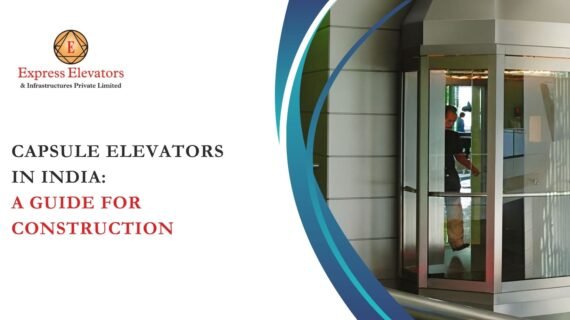
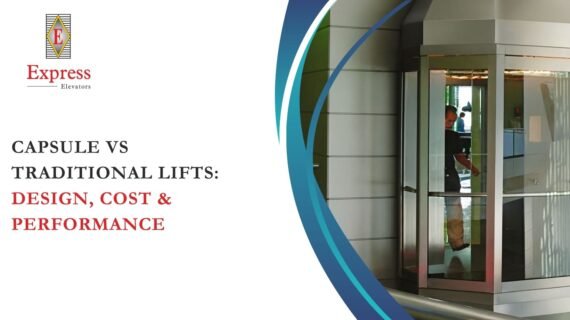
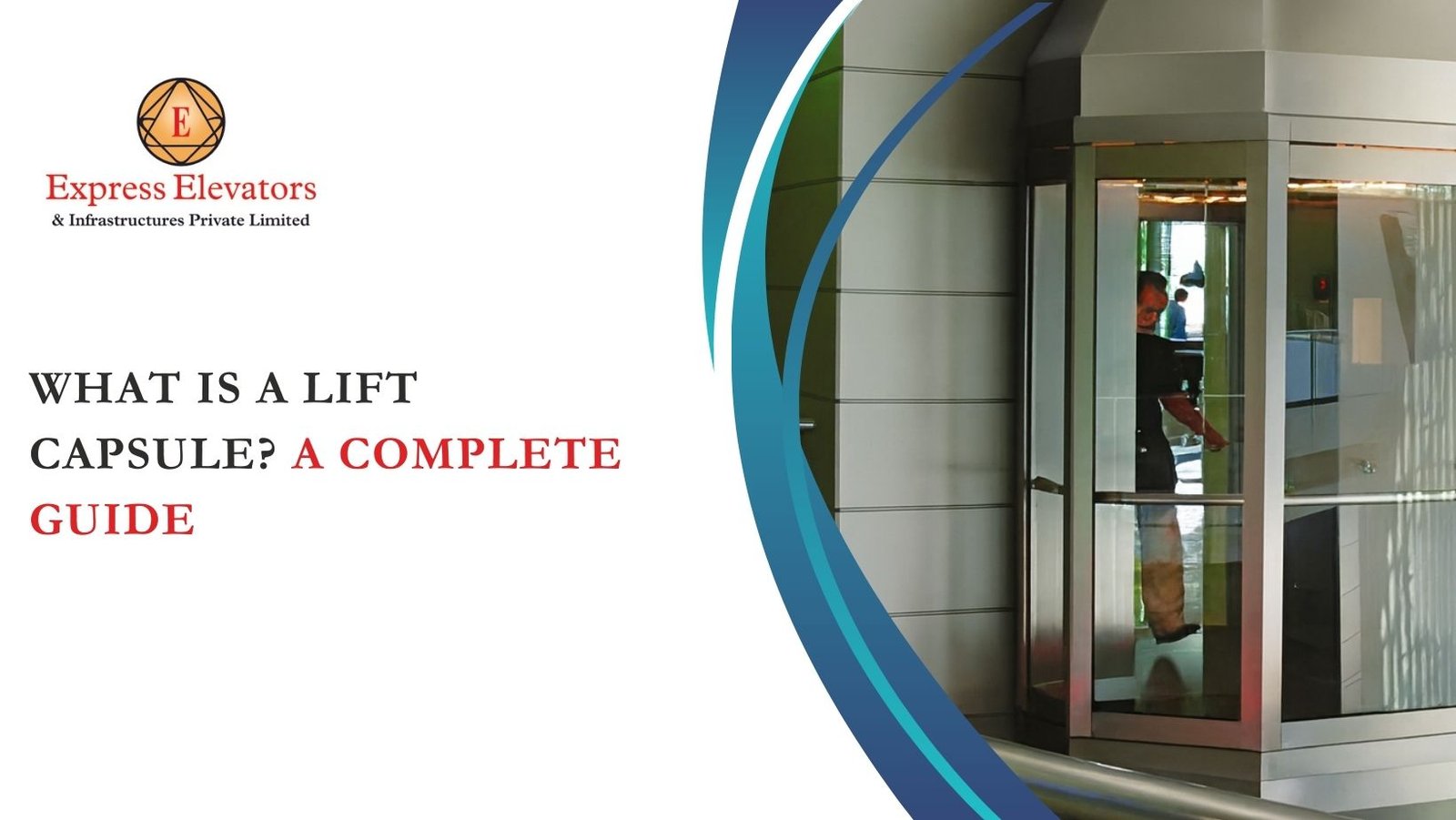
A lift capsule is a vertical transport system built around a transparent cabin—typically constructed with tempered glass panels, stainless steel framing, and visibility as a core design principle. The “capsule” terminology comes from the enclosed glass structure that wraps passengers in a see-through shell during travel.
Unlike standard elevators where the cabin sits inside an enclosed shaft hidden from view, lift capsules deliberately expose the cabin and often the entire travel path. They’re installed in prominent locations: exterior building façades, interior atriums, hotel lobbies, shopping mall central spaces, or alongside staircases where the movement becomes part of the architectural experience.
The mechanics underneath match standard elevators—traction or hydraulic drive systems, guide rails, safety devices, and control panels—but the cabin construction and shaft treatment prioritize transparency over enclosure.
How lift capsules work
Lift capsules use either traction or hydraulic drive systems depending on building height and capacity requirements.
Traction capsule lifts
Traction systems use steel ropes, a drive sheave, and counterweights to move the cabin. The motor sits either in a machine room above the shaft or mounted directly in the shaft for machine-room-less (MRL) configurations. These systems work well for buildings over four floors, where speeds of 1.0-2.5 m/s improve user experience.
Regenerative drives in modern traction capsules can feed electricity back to the building during descent, cutting energy consumption by 30-40% compared to older systems.
Hydraulic capsule lifts
Hydraulic capsules use a pump, hydraulic fluid, and a piston to lift the cabin. They suit 2-4 floor installations where moderate speed (0.5-1.0 m/s) is acceptable. The visible hydraulic cylinder can work against the aesthetic in fully transparent designs, making hydraulic capsules more common in semi-cylindrical or wall-backed configurations.
Control systems manage acceleration, deceleration, door operation, and floor stops identically to standard elevators. Safety features—overspeed governors, emergency brakes, door sensors, overload protection—come as standard equipment regardless of the transparent cabin.
Types and configurations
Full panoramic capsules
Cylindrical cabins with 360-degree glass visibility, typically used in central atrium placements or exterior tower installations where all sides remain visible. These require structural support on 2-3 sides depending on height and create the most dramatic visual effect.
Semi-cylindrical capsules
Half-circle designs backed against a building wall, offering 180-degree views. This configuration suits retrofit projects where full structural support isn’t feasible and reduces installation complexity. The wall-backed design also allows easier integration of machine-room-less drive systems.
Inclined capsules
Specialized systems that follow sloped surfaces—hillside buildings, multi-level retail spaces, or architectural features where vertical travel doesn’t match the building profile. These require custom engineering for guide rail angles and drive system adaptation.
The uncomfortable truth: most buyers choose full panoramic capsules for maximum visual impact, then discover during installation that semi-cylindrical configurations would have delivered 80% of the aesthetic value at 60% of the structural modification cost.
Key specifications and sizing
Capacity ranges from 4-21 passengers depending on cabin dimensions and drive system strength:
- 4-6 passengers: 320-450 kg, cabin footprint around 1.3m × 1.5m
- 8-10 passengers: 544-680 kg, cabin footprint around 1.5m × 1.6m
- 13-21 passengers: 870-1000+ kg, cabin footprint 1.8m × 2.1m or larger
Speed selection ties to building height. Systems serving 2-4 floors typically run at 0.5-1.0 m/s; 5-8 floors need 1.0-1.5 m/s; buildings over 8 floors justify 1.5-2.5 m/s to prevent wait-time complaints.
Glass specifications matter for both safety and durability. Standard installations use 10-12mm tempered glass; high-traffic or exterior applications may specify 12-15mm laminated safety glass that won’t shatter into sharp pieces if damaged. Thicker glass adds 80-150 kg to cabin weight, which factors into drive system selection.
Where lift capsules make sense
Residential applications
Luxury homes, villas, and premium apartment buildings use lift capsules to add architectural distinction while solving accessibility needs. The transparency makes the elevator feel less intrusive in homes where dedicating space to a fully enclosed shaft seems wasteful.
A contrarian insight: homeowners often assume lift capsules cost dramatically more than standard home elevators. In reality, the premium typically runs 30-40% higher for equipment, with installation costs similar or only marginally higher unless exterior placement requires extensive weatherproofing.
Commercial and hospitality
Hotels, shopping centers, office atriums, and mixed-use developments install lift capsules where passenger experience and architectural identity matter as much as transportation function. The visible movement creates activity and interest in large interior spaces that would otherwise feel static.
High-traffic commercial applications need careful capacity planning. A 6-passenger lift capsule in a hotel serving 80 rooms creates bottlenecks during check-in and breakfast hours, turning the aesthetic feature into a functional problem.
Installation overview
Installation follows this sequence once shaft construction or modification completes:
- Site survey and final measurements: Verify shaft dimensions, pit depth, overhead clearance, and structural support points match approved drawings.
- Guide rail installation: Precision alignment to ensure smooth travel and minimal noise.
- Drive system mounting: Machine room or MRL installation with proper vibration isolation.
- Electrical work: Control panels, wiring, emergency systems, and lighting circuits.
- Door frames and operators: Landing doors at each floor with safety interlocks.
- Cabin assembly and glazing: Frame construction, glass panel installation, and weatherproofing seals.
- Testing and commissioning: Safety device verification, load testing, and statutory inspections.
Exterior lift capsules add weatherproofing requirements: shaft sealing, drainage systems for rainwater management, and UV-resistant materials for glass seals and framing.
The process typically takes 4-6 weeks from equipment delivery to handover for interior installations, 6-8 weeks for exterior placements with weather protection work.
Maintenance and longevity
Lift capsules require the same core maintenance as standard elevators—monthly or quarterly inspections covering drive systems, doors, safety devices, and control panels—plus additional attention to transparent elements.[]
Glass cleaning becomes part of routine maintenance: quarterly for interior installations, monthly or more for exterior capsules exposed to dust, rain, and pollution. Seals around glass panels need annual inspection to catch weathering before water infiltration damages electrical components.[]
Properly maintained lift capsules operate reliably for 20-25 years before major component replacement becomes necessary. The glass panels themselves often outlast the mechanical systems if cleaning and seal maintenance stay current.[]
Choosing the right configuration
Match capacity to actual traffic patterns, not aspirational passenger counts. Calculate peak-hour demand and add 20% buffer rather than oversizing significantly. Larger cabins mean larger shafts, which consume valuable floor space and increase civil work costs.
Speed matters less than most buyers assume for buildings under six floors. The time difference between 0.75 m/s and 1.5 m/s on a four-floor trip is under 10 seconds—rarely worth the 25-40% cost premium for faster systems.
Consider maintenance access in your design. Exterior capsules look impressive but they create challenges for routine service and glass cleaning that interior placements avoid.
FAQs
Q: Do lift capsules cost significantly more than standard elevators?
A: Equipment costs run 30-40% higher due to glass panels, specialized framing, and aesthetic detailing. Installation costs vary—similar for interior placements, 20-30% higher for exterior installations requiring weatherproofing and structural modifications. Total project costs typically exceed standard elevators by 35-50%.
Q: Can lift capsules be installed in existing buildings?
A: Yes, retrofit installation is common for lift capsules, particularly semi-cylindrical designs backed against existing walls. The main constraints are shaft space availability, structural support for loads, and access for equipment delivery. Site surveys determine feasibility within 48 hours.
Q: What safety features come standard in lift capsules?
A: All the safety systems required for standard elevators apply: overspeed governors, emergency brakes, door interlocks, overload sensors, emergency communication systems, and automatic rescue devices for power failures. Transparent cabins don’t compromise safety—they simply make the cabin visible during travel.
Q: How often do the glass panels need replacement?
A: Tempered glass panels in lift capsules typically last 15-20 years without replacement if properly cleaned and maintained. Scratches from cleaning with abrasive materials or damage from impacts may require earlier replacement, but normal wear doesn’t degrade glass significantly.
Q: Are lift capsules suitable for homes with children?
A: Yes, with the same safety considerations as any elevator. Door sensors prevent closing on obstructions, interlocks prevent door opening between floors, and emergency communication systems connect to help if needed. The transparency can actually reduce anxiety in children compared to enclosed elevators.
Conclusion
Lift capsules combine vertical transport function with architectural visibility through transparent cabins that turn movement into a design feature. They work best where aesthetic impact justifies the 35-50% cost premium over standard elevators and where installation locations—atriums, façades, or open stairwells—take advantage of the transparency.
If you’re considering a lift capsule for a residential or commercial project, start with a site assessment to verify that your building can accommodate the structural and spatial requirements before finalizing cabin specifications.
Express Elevators designs and installs lift capsules across India for residential, commercial, and hospitality applications. Our process starts with site evaluation and structural feasibility analysis to ensure your building can support the capsule configuration you want—whether full panoramic, semi-cylindrical, or custom geometry.
We supply traction and hydraulic lift capsule systems with standard and custom cabin sizes, handle complete installation including glass fabrication and weatherproofing for exterior placements, and provide ongoing maintenance through trained technicians who understand the specific requirements of transparent elevator systems.
Contact us for a site evaluation and specification-based proposal. Share your building type, desired location (interior atrium, exterior façade, or stairwell), and capacity needs, and we’ll map out which lift capsule configuration fits your space and budget—including realistic timelines and any structural modifications required.