
Top Benefits of Investing in Premium Capsule Elevators
Buyers who pick standard closed elevators often face regret three years in. The sealed metal box moves people between floors, but it adds no aesthetic value to your property. It takes up space without making any design statement. Premium capsule elevators reverse this equation by combining vertical transport with architectural impact. Transparent glass panels, customizable finishes, and panoramic views transform a functional necessity into a value-generating feature. Real estate consultants in Bangalore and Mumbai report that luxury homes with capsule elevators close deals 14-22% faster than identical properties with traditional lifts. Buyers see glass elevators as premium markers—similar to infinity pools or smart home systems. This post breaks down eight core benefits that justify the investment, explains installation and maintenance realities, and shows you what drives pricing. You’ll understand exactly why premium capsule elevators deliver returns that standard lifts can’t match.
Architectural Appeal
Turning Vertical Travel into a Design Feature
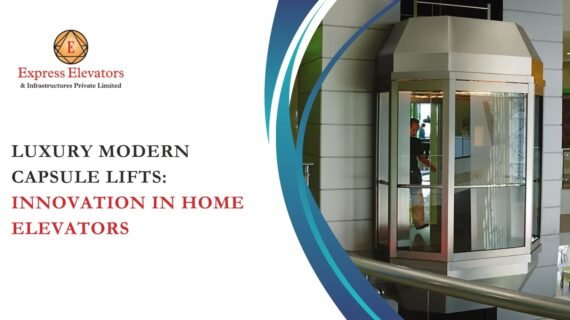
Premium capsule elevators make vertical movement visible. Glass walls let passengers watch interiors unfold—staircases, living rooms, gardens—as they travel between floors. This visibility transforms the elevator from hidden utility into a central design element. Architects now place capsule lifts in atriums, along exterior walls, or in double-height spaces where they become focal points.
Natural Light and Openness
Glass panels bring natural light deeper into your building. Traditional elevator shafts block light flow and create dead zones. Capsule elevators keep sightlines open, reducing the enclosed feeling passengers get in metal boxes. The transparency also cuts down on claustrophobia—a common complaint in standard residential lifts.
Better Use of Space
Compact Footprint for Tight Plans
Premium capsule elevators use machine-room-less (MRL) technology, eliminating separate equipment rooms. All mechanical components fit inside or adjacent to the shaft. A typical capsule lift needs a 1,300 mm x 1,500 mm footprint—roughly 20 square feet. You reclaim the 40-60 square feet that traditional systems would consume for machinery.
Higher Property Value
Premium Positioning and Buyer Perception
Capsule elevators signal luxury in ways standard lifts don’t. Data from Gurgaon and Pune shows that residential properties with glass lifts sell for 8-15% premiums over comparable homes with enclosed elevators. Commercial buildings see even larger spreads—retail and hospitality projects with capsule lifts in lobbies report 12-18% higher per-square-foot valuations.
Customization Flexibility
Cabin Finishes and Glass Options
You control the look completely. Glass choices include clear tempered, frosted for privacy, bronze-tinted for bold aesthetics, or low-E laminated for energy control. Cabin interiors take stainless steel, brushed brass, wood-grain panels, or stone finishes. LED lighting strips can shift colors—warm white for daily use, cool blue for events, amber for intimate settings.
Indoor vs. Outdoor Placement
Premium capsule elevators work indoors against walls or outdoors on patios and courtyards. Outdoor models use marine-grade stainless steel and UV-resistant glass rated for monsoon rains and 50°C heat. You can brand the glass with etched logos or patterns—common in commercial lobbies and luxury hotels.
Modern Tech and User Experience
Precision Leveling and Smooth Rides
Premium systems use advanced control algorithms that bring the cabin perfectly flush with each floor—within 5 mm tolerance. Doors open smoothly without jerks. Acceleration and deceleration curves are programmed for passenger comfort, not speed. Waiting times drop because destination dispatch systems group trips efficiently in buildings with multiple units.
Smart Controls and Features
Touchless call panels, app-based controls, voice commands, and biometric access are now standard options. You can integrate capsule elevators with home automation systems to pre-call the lift based on occupancy sensors or schedule patterns.
Energy Efficiency
LED and Standby Power Design
Premium capsule elevators use LED cabin lighting that draws 8-12 watts instead of 40-60 watts from halogen bulbs. Standby modes cut idle power consumption by 60-75% when the lift isn’t moving. Monthly electricity costs for a residential unit making 15-20 trips daily average ₹400-600.
Regenerative Drives
Traction-based capsule elevators can feed energy back to the building’s electrical system during descent. This regenerative braking recovers 15-30% of consumed power in typical residential use patterns.
Safety and Compliance
Core Safety Features
Premium capsule lifts include automatic rescue devices (ARD) that move the cabin to the nearest floor during power failures. Emergency communication panels, overload sensors, rupture valves (hydraulic models), and dual braking systems are mandatory. Tempered glass panels withstand 400 kg/m² impact force—five times stronger than standard window glass.
Quiet, Comfortable Operation
Noise and Vibration Control
Premium models use vibration-dampening mounts and low-RPM motors. You won’t hear grinding gears or motor hum through walls. Sound levels inside the cabin during travel stay below 50 decibels—quieter than normal conversation. Door mechanisms use soft-close technology that eliminates slamming.
Installation and Maintenance
Site Requirements
You need a shaft with 1,300-1,500 mm footprint, pit depth of 100-200 mm (hydraulic) or 1,000-1,200 mm (traction), and overhead clearance of 2,700-3,200 mm. Installation takes 3-5 days after civil work completes.
Maintenance Expectations
Annual service contracts run ₹18,000-30,000 and cover quarterly inspections, fluid checks, and parts. Glass panels need monthly cleaning. Expect 20-25 year lifespans with proper upkeep.
Cost Factors
Premium capsule elevators in India range from ₹18 lakhs for a two-stop hydraulic model to ₹45 lakhs for a four-stop traction system with full customization. Glass type adds ₹2-6 lakhs, custom finishes add ₹3-7 lakhs, and smart controls add ₹1-2 lakhs. Ask suppliers about warranty terms (typically 1-2 years), spare part availability, and service response times (4-24 hours is standard).
FAQs
Q: How long do premium capsule elevators last compared to standard lifts?
A: Both last 20-25 years with proper maintenance. The difference lies in aesthetic relevance—glass elevators stay visually current longer than dated metal boxes.
Q: Can I install a capsule elevator outdoors in coastal areas?
A: Yes, with marine-grade 316 stainless steel frames and weather-resistant glass rated for salt spray and humidity. Expect 15-20% higher material costs.
Q: Do capsule elevators cost more to maintain than traditional lifts?
A: No. Annual costs are similar (₹18,000-30,000), but you add glass cleaning—a minor expense.
Q: What’s the weight capacity for a typical premium capsule elevator?
A: Most handle 320-450 kg, accommodating 3-5 passengers or a wheelchair with companions.
Conclusion
Premium capsule elevators deliver measurable value through design impact, space efficiency, property premiums, and modern tech features. They cost more upfront but generate returns through faster sales, higher valuations, and buyer appeal that standard lifts can’t produce. If you’re building or renovating a luxury home or commercial property, request site assessments from certified installers to explore custom configurations.
Express Elevators designs and installs premium capsule elevator systems tailored to Indian residential and commercial projects. We handle site surveys, custom finishes, installation, and long-term service across the country. Visit Express Elevators at https://expresselevators.co/ to schedule your free consultation and see how a premium capsule elevator can transform your property’s value and appeal.